
 By Gamedayfields
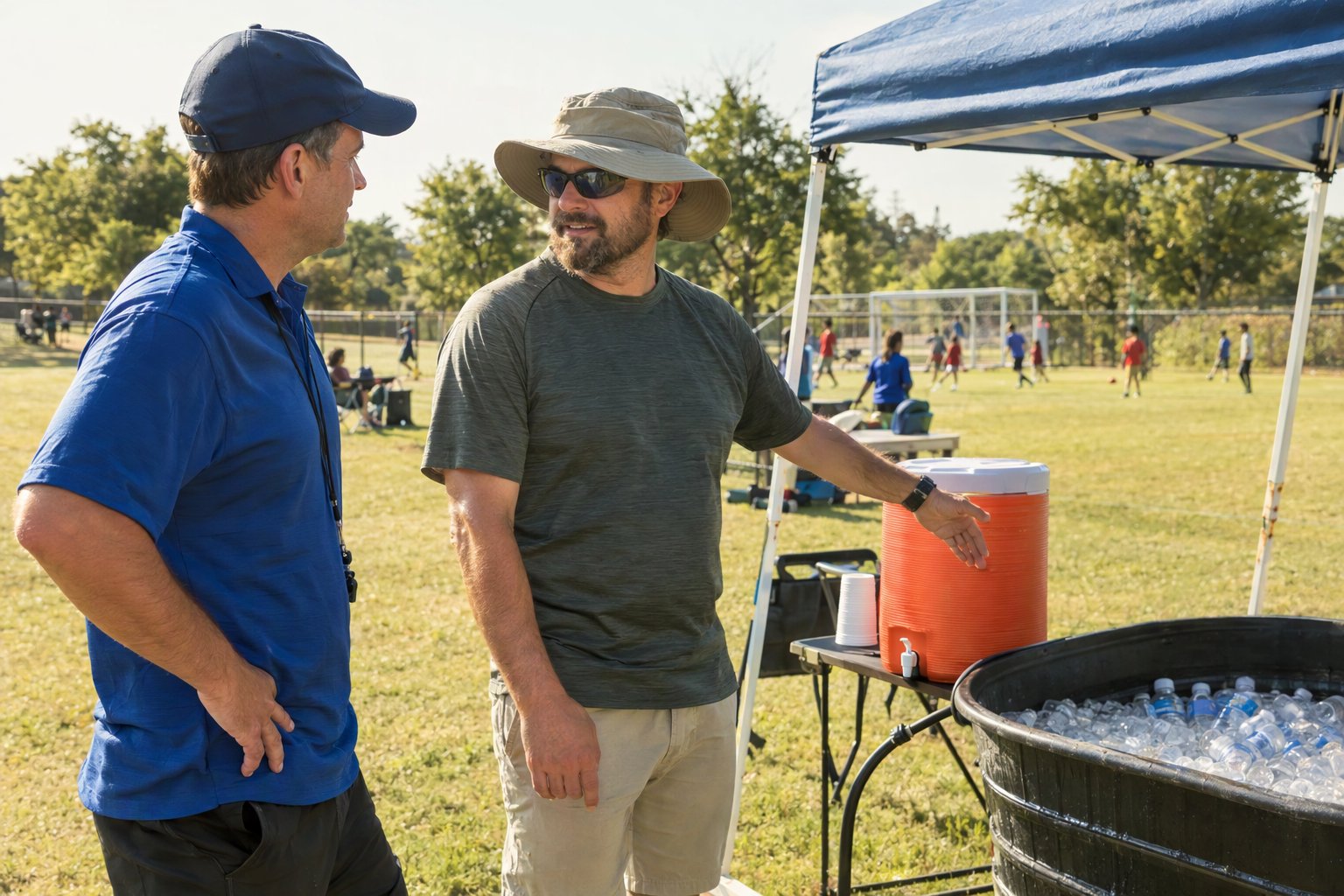
Teams renting a field on a hot day ask the same questions: where is the shade, where is the water, and can we bring a tub and ice? If you list a field, answering those clearly in your listing and on site makes bookings easier and keeps game days safer.
Why heat amenities matter to renters
Coaches and organizers are responsible for the people on your field, but they can’t plan what they can’t see. A listing that spells out shade, water, parking and cooling access helps them book the right slot and show up prepared. Fields that feel ready for heat get fewer last-minute scrambles and fewer “is this place even usable today?” calls.
What to put in your listing
- Shade: trees, dugouts, bleachers with cover, or a clear note that renters should bring their own canopy.
- Water: working fountain, hose, or none on site so teams know to bring coolers.
- Cooling: whether a tub and ice are allowed, and where they can set that station up.
- Access: street address, the best ambulance entrance, and where teams should park and unload.
- Surface: grass or turf, and any notes about how hot the surface gets in afternoon sun.
What to have ready on site
- A marked rest area in shade, close to the field, not only at the far parking lot.
- A clear spot near the sideline for a cooling station if renters bring a tub.
- Trash and recycling so water bottles and ice bags don’t pile up.
- A posted address and emergency entrance at the gate or field house so volunteers can find it fast.
Set expectations before game day
When someone books a hot-weather slot, a short confirmation note goes a long way: confirm shade and water, say whether a tub is allowed, and remind them to name one person who watches for heat trouble. If your local rules or league policies limit play in extreme heat, say so up front so the organizer can plan shorter games or a cooler start time.
If someone goes down on your field
Exertional heat stroke is 100% survivable when it’s recognized fast and the person is cooled on the spot.
- Call 911 and start cooling at the same time.
- Start cooling within 10 minutes, using cold-water immersion with ice agitation.
- The goal is to bring the body to about 102°F within 30 minutes.
- Cool first, transport second.
Take off whatever gear comes off quickly, but never delay cooling to remove gear. Around 104°F, the body loses its ability to regulate its own temperature. Cooling on the spot is what brings it back.
Point renters to a written plan
You don’t have to write every renter’s emergency plan for them. Point them to the free EAP Builder from National Stay Cool Day so they leave with a printable plan that names who calls 911, where the cooling setup goes, and the field address you already listed.
Take the next step: build your heat emergency action plan with our free heat safety tools, then sign up your school for National Stay Cool Day on April 8, 2027. Both are free.
