
 By Gamedayfields
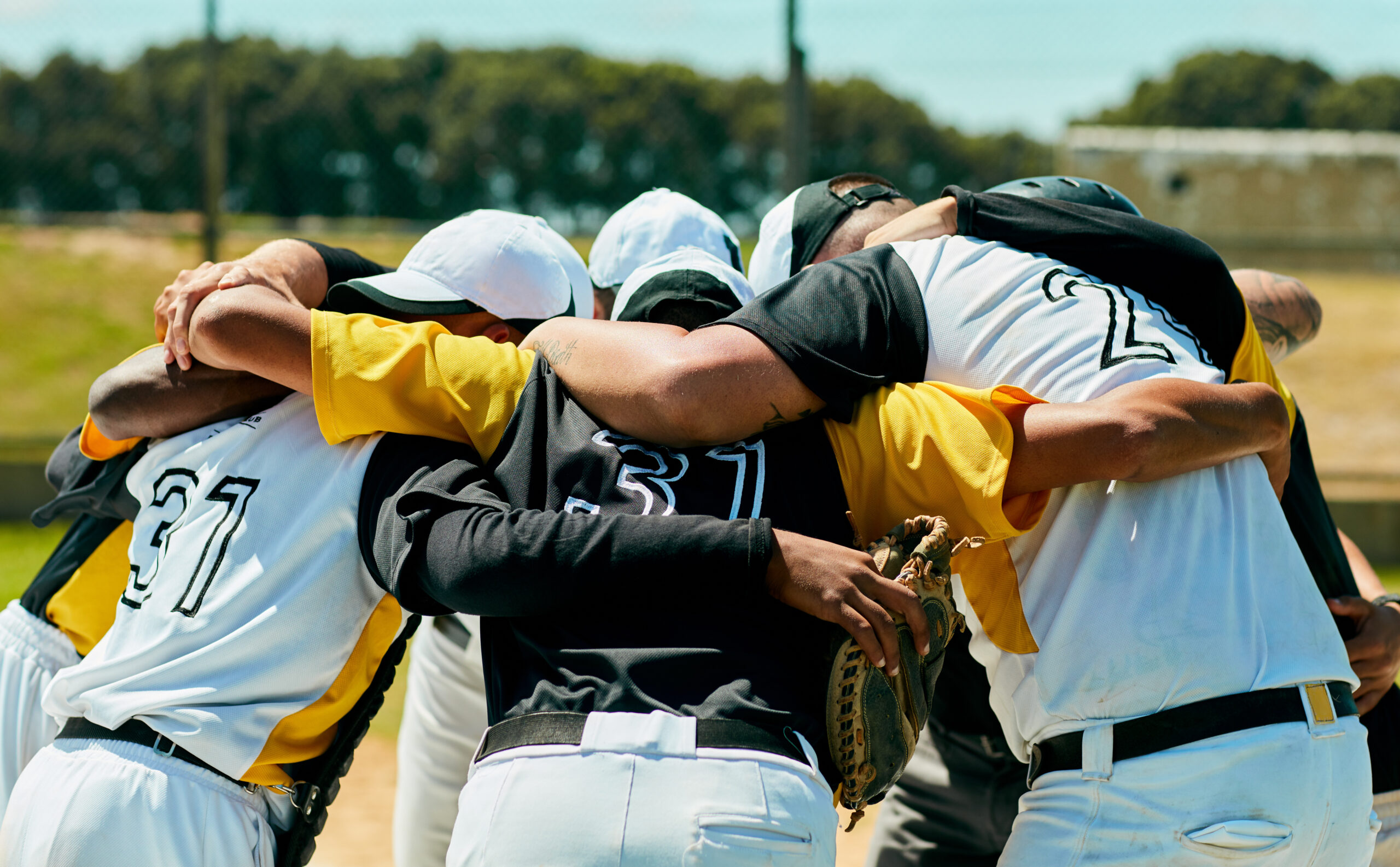
On a hot day, the athlete in the most trouble is not always the one lying on the field. Sometimes it is the player who quietly walked to the car to sit in the air conditioning, or the one who went to the restroom and never came back, or the kid sitting alone at the far end of the bench. Heat stroke can make a person confused, and a confused athlete may wander off instead of asking for help. On a rented field with several teams, parked cars and spots you cannot see from the bench, a simple headcount and a buddy system can keep anyone from going down alone.
Why players drift off when they are overheating
An athlete who is getting sick from the heat may feel embarrassed, dizzy or just “off.” Many will not say anything. They sit down out of sight, head to the parking lot, or slip away during a water break. Heat stroke itself can cause confusion and strange behavior, so the athlete may not know they are in danger. That is why the adults have to keep track, not the athlete.
Count every player, every break
- Do a headcount at the start of practice or warm-ups, so you know your number for the day.
- Count again at every water break, every inning or quarter change, and every time the group moves.
- Count at the end, before anyone leaves for the parking lot.
- If the number is short, stop and find the missing player right away. Do not wait for the next break.
Pick one adult to own the count. On a busy field it is easy for every coach to think someone else is watching.
Set up buddies
Pair every player with a buddy for the day. Buddies check on each other at breaks and go together if one needs the restroom, shade or the car. A buddy who sees their partner stumbling, confused or not making sense tells a coach right away. Players are often the first to notice. The National Stay Cool Day guide Look Out for Your Teammates is a good one to share with the team before the season.
Know the spots you cannot see
Walk the rented field when you arrive and note the places where a player could end up out of sight:
- Restrooms and the path to get there.
- The parking lot and parked cars. No player sits in a car alone on a hot day.
- Shade spots behind bleachers, dugouts, sheds or trees.
- Other fields, where your player could blend in with another team.
Tell players where they can go during breaks, and that they never go alone.
When a player is missing
- Stop play for your group and send adults in pairs to check the restroom, the parking lot, shade spots and the nearest fields.
- Keep one adult with the rest of the team and keep counting.
- Ask the field owner or staff to check their side of the property if they are on site.
- If you find the player confused, collapsed or acting strange, treat it as heat stroke until proven otherwise.
If you find a player down
Exertional heat stroke is 100% survivable when it is recognized fast and the athlete is cooled on the spot.
- Call 911 and start cooling at the same time.
- Cooling should start within 10 minutes, using cold-water immersion with ice agitation.
- Cool first, then transport. The goal is about 102°F within 30 minutes.
- Send someone to meet the ambulance at the gate and lead the crew to the athlete.
Take off whatever gear comes off quickly, but never delay cooling to remove gear.
Do not put an overheated athlete in a car to cool off or drive them away before cooling. Around 104°F, the body loses its ability to regulate its own temperature. Cooling on the spot is what brings it back.
Put it in your plan
Add the headcount, buddy pairs and the “never alone” spots to your team’s emergency action plan, so every coach and parent volunteer runs it the same way. The free National Stay Cool Day EAP Builder walks you through a plan for your field in a few minutes.